St Brigid’s Day marks the beginning of spring and is linked to Brigid, the ancient fertility goddess and patron saint of Ireland. Just two weeks later, on the 14th of February, we celebrate love with St Valentine. For this reason, it feels like the perfect time to talk about reproductive health in our pets.
For many years, there have been different opinions about whether early neutering is always the best option. Recently, the World Small Animal Veterinary Association (WSAVA) published updated guidelines to help standardise neutering protocols worldwide, from our Emerald Isle to the beaches of Mexico and the cold fields of Greenland.
Here is a simple summary of the key points:
• There is no “one-size-fits-all” approach.
The decision to neuter should be individual, taking into account the pet’s species, breed, sex, size, lifestyle and environment.
• Timing matters
In some large and giant breed dogs, delaying neutering until skeletal maturity may reduce the risk of certain joint disorders. In other cases, earlier neutering may be beneficial.
• Benefits and risks must be balanced.
Neutering can reduce the risk of reproductive diseases and unwanted litters, but it may also be associated with changes in metabolism, weight gain.
• Behaviour and population control are also important considerations.
Neutering can help reduce roaming, hormone-driven behaviours and unwanted pregnancies, benefiting both pets and the wider community.
Ultimately, this is a very personal decision, and there is no right or wrong choice, only the right choice for your pet and your family.
At Village Vets Lusk, we are always happy to discuss neutering options openly during a consultation. These discussions are free of charge, and together we can create the most appropriate and informed plan for your furry family member.”
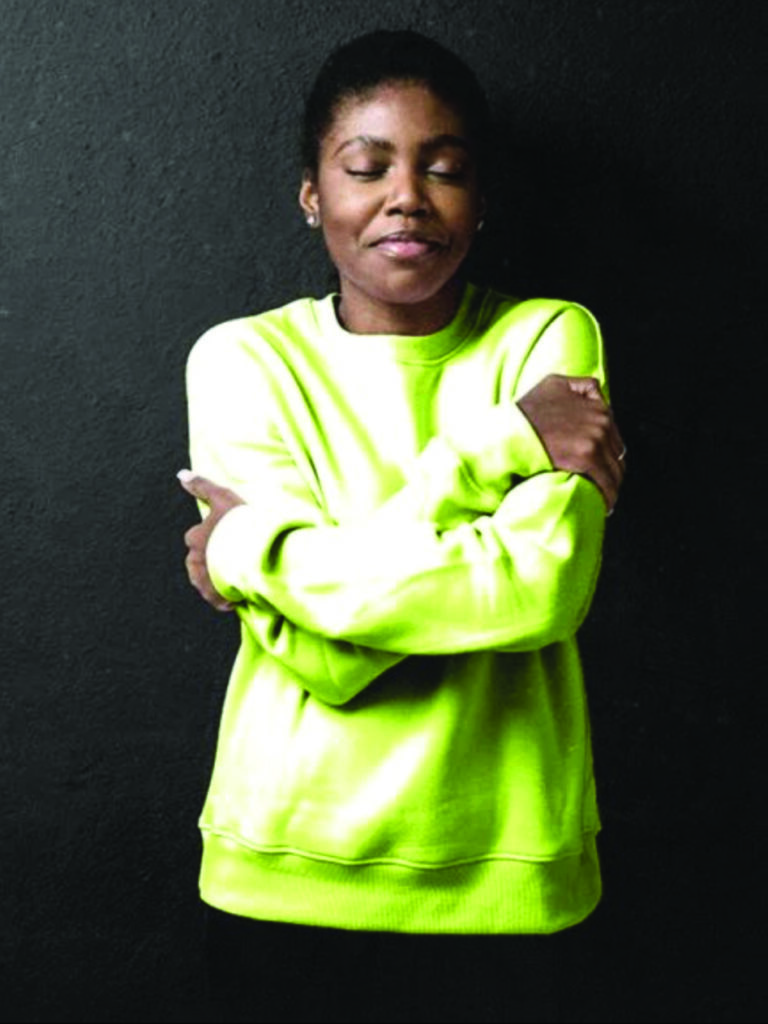
Havening I have been asked many times in my professional field what is Havening? So this month we are going to have a brief look at what Havening is and who can benefit from this wonderful treatment. Havening is a gentle, touch-based psycho-sensory technique used to help people reduce emotional distress and build resilience. It is often used alongside coaching or therapy rather than as a standalone medical treatment.
The following are the principal benefits of Havening.
It helps the nervous system by the following ways
A. Shifts the brain out of threat mode: The repetitive, gentle touch appears to stimulate slow delta brain waves and calming Neuro-chemicals (chemicals in the brain) such as serotonin and oxytocin, which support a sense of safety and reduce the response we call fight or flight or panic,
B. Supports the nervous system by helping to “rewire”: By pairing a previously distressing memory with a deeply relaxed state, Havening is proposed to reduce synaptic strength in the circuits that kept that memory highly charged, so triggers lose their impact over time.
I’ve been asked what are the everyday uses of Havening
A. Emotional difficulties: Practitioners use Havening with issues such as phobias, trauma memories, grief, humiliation experiences, and persistent anxiety or suffers of panic attacks.
B. Performance and wellbeing: It can also be used for confidence, performance blocks, unwanted cravings, and general emotional regulation, helping clients feel more resourceful day to day.
The biggest benefit from a practitioner’s perspective would be
A. Non invasive and client centred: The touch is gentle, the client remains fully conscious and is in complete control, and the technique can be adapted or slowed easily, which can support a strong sense of safety and empowerment.
B. While teaching this in my clinics over many years it is an incredibly easy technique to be taught as a self-care treatment. Clients have learned self Havening techniques to use between sessions, giving them a concrete tool to regulate stress and support ongoing integration of therapeutic work.
C. All that is required from the client is for them to share just a bit about their story as to why they would require this treatment, that way it can become a more tailored fitted session and can be applied for the individual. In wellness Susan If there are any specific topics, diseases or disorders that you would like me to cover in further issues please feel free to email me at. info@susangrahamcoaching.com
By Jack Shanley
In the chaotic, neon-veined world of Josh Safdie’s Marty Supreme, the humblest of sports—table tennis—is elevated to a high-stakes blood sport. It is a film that breathes with a frantic, jittery energy, feeling less like a traditional biopic and more like a two-hour-long panic attack that you somehow never want to end.
At the centre of this whirlwind is Timothée Chalamet, who delivers a performance so kinetic it feels like he’s physically vibrating off the screen. Playing Marty Mauser, a fictionalized version of the real-life ping-pong hustler Marty Reisman, Chalamet sheds his usual “boyish charm” for something far more jagged. He is a man possessed by a singular, borderline-delusional ambition: to make the world respect a game played with celluloid balls and wooden paddles.
Working for the first time without his brother Benny, Josh Safdie proves his solo voice is just as loud and uncompromising. The film is set in a grimy, tactile 1950s New York, but it’s scored with anachronistic 80s synth-pop and edited with a modern, “grind set” ferocity. It’s a sensory overload that perfectly mirrors Marty’s internal state. He is a hustler, a salesman, and—at times—a deeply frustrating narcissist who treats his loved ones like obstacles to be bypassed.
The supporting cast is nothing but fantastic. We see great performances all round but especially from Gwyneth Paltrow and Tyler, the Creator.
What makes Marty Supreme linger is its refusal to apologize for its protagonist. Marty is not a “hero” in the classic sense; he is a man who steals from his uncle and neglects his pregnant girlfriend (Odessa A’zion) to chase a trophy in London or a match in Japan. In a sense he’s essentially the ultimate ‘antihero’.
The film asks a difficult question: Does greatness require a level of selfishness that verges on the sociopathic? By the time the credits roll to a pulsing needle drop, you might not like Marty, but you’ve been thoroughly seduced by his momentum. It’s a messy, loud, and brilliantly original piece of cinema that captures the “American Dream” not in a romantic fantasy way, but as a relentless, sweaty, and singular obsession.
I’d recommend checking out ‘Marty Supreme’ and see what you think of it; I shall give it a score of FOUR Stars. You can go check it out at your local cinema today. Director Josh Safdie – Rating: 15A – Genre: Sport/Drama – Run Time: 2h 29m Language: English. For more film content please follow @movies4fanatics on Instagram.
Love is in the air…. February is a time to treat yourself and those you love. I’m taking my daughters to Arc Cinema Drogheda on Galentine’s day for their 90’s throwback movie marathon. For Valentine’s Day, my husband and I usually stay in to watch a movie and have a nice dinner together and we’ll go out for dinner on a night when its not so busy. Or if we’re lucky, we might manage a romantic night away to somewhere special like Farnham Estate in Cavan, that’s one of our favourite places. There are some great shows coming up in The Lark Balbriggan and we might book into Bracken Court for dinner and B&B to make an overnight trip out of it. Any chance to carve out a little romance!
If you are looking to get a cool gift for someone special, www.wanapix.ie have a wide range of personalised gifts. Use code MAMSWANAPIX26 for 10% off. I got my husband a personalised glass and he loves it, he uses it every day. He got me a pink heart shaped mouse mat, which I use every day! Their snow globes are very cute – they even have one that is filled with little love hearts. Their personalised calendars are brill gifts. My Mam is already dropping hints that she’d like a calendar for Mother’s day, so we know what to get her!
Hampers & Co. have lots of fabulous hampers. Chocolate Garden of Ireland has lovely chocolate goodies. Tipperary Crystal have beautiful handbags and jewellery and they are all Irish companies, which we love.
For a romantic day out, take a walk with Andean Alpacas in Mullingar. Alpacas are gorgeous animals and it’s such a peaceful experience.
National Concert Hall has lots of shows coming up; tickets to a concert is a wonderful Valentine’s gift
Coffee is a clever gift idea and Irish brand, Artessa, roasts delicious fusion blends here in Ireland. Great gift for coffee lovers.
If you are on a tight budget don’t worry, most Mammies are happy to lounge in a bubble bath without interruption and have dinner made for them. If you can stretch to a takeaway, even better! A little ‘me time’ makes all the difference to busy Mammies!
For more ideas for Valentine’s gifting, head over to www.mams.ie

By Dave Kavanagh
Two important things to consider with both having and needing mortgage protection life cover. Firstly, there are those who have had mortgages for a number of years with mortgage protection life cover done in conjunction with it. For these people, it is well worth checking the current level of cover and remaining term on their mortgage protection and the same on their mortgage balance and term, to make sure there is sufficient cover. For example, in 2020 during the severe Covid lockdowns, many mortgage holders availed of a 6 month payment break. During this period, their mortgage protection cover will have continued to reduce, while their mortgage balances may have stayed level, or even increased if interest was capitalised. This could mean a shortfall in the event of a claim, meaning that the mortgage does not get fully cleared and there is a balance owing.
Possibly more important to consider, is people who are planning to get a mortgage soon, or in the near future. They have saved regularly to build a deposit, maintained stable employment, avoided taking out new loans (and made sure any existing or previous loan obligations were paid in full and on time), conducted their current accounts efficiently, etc. but sadly, they don’t get to proceed with their house/apartment purchase (certainly not in the time frame they wanted to) because they cannot get their mortgage protection life cover accepted. This could be due to their current or past medical history, or something simple like they have been referred for a test that has not yet been done. It’s why many are arranging their mortgage protection cover well in advance of drawing down their mortgage. Once in place, any new medical issues are not relevant. It can even save them money, as 36 years paying a cheaper premium (before another birthday has passed) is cheaper than 35 years at the higher premium.
Dave Kavanagh QFA has been advising people financially for over 25 years. For quotes or information (with no cost or obligation) he can be contacted by emailing info@financialcompanion.ie or use the contact form on www.financialcompanion.ie or @Davekav_advice on Twitter and Instagram. Combined with his previous role of gym/nutrition adviser, he regularly gives talks and workshops at seminars and events for groups, companies and government departments on financial wellbeing, positivity and motivation. As heard on RTE 2FM, LMFM and TV3.
The name of Taylor (Fr:Taileur=’Cutter’) began with the Norman invasion of 1170.Colonel James Fitzeustace Taylor (1834-1915), the last resident of Swords House had a distinguished British Army military career. In the Egypt campaign of 1882, Colonel Taylor was severely wounded in the thigh, for which bravery he won the Egypt medal.
Retiring to Swords house in Sept 1889, he became a Justice of the Peace (JP) as well as serving on many local committees. James Taylor never married, effectively extinguishing the Taylor family line in Swords House. The Taylors were a Catholic family, an unusual occurrence for landed folk of north Co Dublin.
The site of the earlier Swords House is now occupied by Fingal Co Co. Offices. For centuries this earlier site had beautiful gardens and a lodge-house, the Taylor Swords demesne extending right up to the Malahide Road and eastwards, 700 acres in all.
Having three stories over a basement, this house was the social centre of Swords for the ‘gintry’ of county Dublin. The fine Irish oak trees we see there today are the direct descendants of the original Swords House tree gardens.
James Taylor also provided the land to Fr Vincent Carey, a Dominican, to build St Columchille’s church in 1827. Fr Carey also had a special path through Sword’s house to attend his priestly duties. Being so prominent in the area, the Taylor family had their own personal entrance to the church, as well as their own family seating.
The carefully posed 1900 picture conveys the ordered, gentrified image of the great house typical of that day, maid, chauffeur, gardener and boy all posing in front of ‘their’ house.
Forsaking their city centre offices in 2000, Fingal Co Co established County Hall here, effectively making Swords the administrative capital of Fingal. Swords House was demolished in the 1980s, effectively ending the Swords connection of centuries with the influential Taylor dynasty.
For more information please contact Mike at: Mp9211198@gmail.com

An interview with a Mountain Rescue Volunteer and his search and rescue dog, Boomer.
By Erica Elliott
Thirty years ago, Swords man Joe Egan began volunteering with the Dublin Mountain Rescue Team, training with a dog unit, and working independently on site.
One day they were in Wales, and while they were recertifying the dogs for live victims, nearby cadaver training was going on. Joe recounts this moment speaking of Boomer, his search and rescue dog, “finding the bait before the dogs that were supposed to find it”. This was not something that had crossed his mind, he tells me. In fact he says it “was just by chance we found he was good at the dual work”.
Boomer is the only dog in the country that’s certified to search and rescue live and dead victims, and the training process is extensive as it’s difficult to train them once they go over a year. “The first thing he has to do is speak. You get him to speak on command, then you have to train him with livestock, and he has to be able to both sit and stand, so if I find someone that’s injured I’ll be able to treat them without him”.
He tells me training a dog for dual work can be “confusing for the dog”.
“It’s not something I would set out to do”, he says.
“I have to be careful that if the person that’s missing is still walking around, that he can pick up on the fact that I have to find every person. But to see him when he works, he’s so laid back and chilled. Other dogs run frantically around looking for the scent and that’s the way they’re trained to work. He just walks along really slowly, methodically”, he comments.
“I can read him like a book. So if you’re walking with me, I’m not looking at you. I have to watch him, every move he makes, and when he makes that turn, that’s it, he’s gone”.
When Boomer makes a strike, “he bolts”, he says. He goes to the person or the body, identifies it, and comes all the way back to him. This could be hundreds of metres away depending on the conditions of the weather and terrain.
“He comes back and barks at me. That’s how he speaks”, he adds.
“He lets out a loud speak and that indicates to me that he has found somebody, and I say show me, and he goes back to them and I follow him and he shows me exactly where they are”.
“That’s what you get after two years of training. It’s a continuous tough two years for the handler, meanwhile the whole time the dog thinks it’s just a game”.
As for the training process for him. To train with the Dublin Mountain Rescue Team, “originally you have to be a team member to train with the dogs team”, he says. As well as having navigational skills, first aid skills, and rope and rescue training.
But once they find the people, they have to treat them.
“If they’re injured, we assess them, we get the appropriate first aid up to them , up to and including helicopter evacuation, depending on injuries. Some people are just lost, some people are just lost and injured. With modern technology, the search engine sometimes can be quicker, they can send sire locking. We sent you a notification on your phone, and you respond to it and it pinpoints it. So that’s just a modern take. It saves the dogs, it saves the drones”, he tells me.
“If the batteries are dead or there’s no coverage, it’s not going to work. So if someone is lost on a particular mountain, the quickest way to find them with no technology is the dog”.
After thirty years, he says technology has advanced helping Dublin Mountain Rescue, and that they are soon to acquire a base.
“It’s evolved completely. Yeah, completely evolved with technology. We were flying in the helicopter there two weeks ago”, he responds.
“If there’s someone lost on top of the mountain, rather than me walking up the mountain, they can fly us up to the top, deploy us from the top. and that could include coming out on the rope. If they can’t land a helicopter they have to put us out on the rope and hang us down. So we haven’t done that yet but we’re hoping to train him”.
Boomer is trained to walk off lead, not only while he’s working, but on a day-to-day basis. However there are times where this is not the case.
“He’s on a lead right near the start or the end of a search. Because when you go to a search base, maybe the car park, the entrance into a forest or wherever it is. There could be press around, there’s always someone with a camera. If another dog was aggressive towards him and I’m dressed in rescue gear and he has his search jacket, it looks bad if I haven’t got control of him. And if someone walks away with a German Shepherd, I just lose control of him. He loves German Shepherds. So I keep him on the lead for that reason, and the family might be distressed waiting on their loved ones” he says.
“Because we set up our own dog unit, we had to find an assessor and the assessors we get are in Wales. So we travel to Wales for training and assessments and they come over here as well”.
Joe tells me they’ll soon be returning to Wales at the end of November for cadaver training, at the place where they first made their discovery.
Erica Elliott, from Swords, Co. Dublin is a final year Journalism student studying in DCU
January is the perfect month for fresh starts, and at Village Vets Lusk we believe your pets should be part of your New Year’s resolutions. Beginning the year with their annual health check is a great way to set shared goals and monitor their wellbeing from January right through to December.
During this yearly visit, we assess their overall health: eyes, ears, skin, heart, joints and, very importantly, their teeth.
Dental disease is one of the most common and painful conditions we see in pets. Tartar buildup, gum inflammation and hidden infections can lead to chronic pain, loss of appetite and even organ problems if untreated. A simple dental check each January allows us to spot issues early, keep their smile healthy, and prevent discomfort later in the year.
Another key area for New Year resolutions is weight and fitness. Pets don’t have their own gyms (not yet!), but maintaining a healthy weight is essential for their joints, mobility and overall quality of life. Extra kilos can worsen arthritis, reduce their energy levels and increase long-term health risks. Your veterinarian nurse can help design a personalised plan with the right diet and practical exercise routines you can do from home or during daily walks. Small changes now can mean a happier, more active pet throughout the year.
Of course, we shouldn’t forget the basics. Vaccinations (usually once a year) offer essential protection against serious diseases in both dogs and cats. And parasite prevention is still important, though simple: a monthly tablet or spot-on treatment keeps fleas, ticks and worms at bay and protects the whole family.
Starting the year with these simple goals helps ensure your pet stays healthy, comfortable and protected.
By Jack Shanley
Stanley Kubrick’s 1980 masterpiece, The Shining, has long been a benchmark for psychological horror, with its suffocating visuals evoking a sense of unrelenting dread. Now, over four decades after its initial release, the film makes its debut on IMAX screens, resulting in a spectacle that is both deeply unsettling and gloriously intense.
The IMAX format is not just a matter of bigger screens; it’s an amplification of the film’s already potent atmosphere. From the iconic opening shot, where a yellow Volkswagen winds its way up a deserted mountain road, the scope is immediately immersive, drawing the viewer in. The vast expanse of the Colorado landscape, typically a symbol of freedom, instead conveys a sense of absolute isolation, inescapable and overwhelming.
The true power of the IMAX presentation lies within the Overlook Hotel. Kubrick and cinematographer John Alcott’s pioneering use of the Steadicam created those signature, smooth tracking shots that now, on the massive IMAX scale, feel almost like a physical presence, haunting the viewer as they glide through the endless, geometric corridors. The checkerboard carpet, where Danny rides his tricycle, transforms into a dizzying, three-dimensional maze.
Jack Nicholson’s portrayal of Jack Torrance’s descent into madness is magnified to devastating effect. His frantic, desperate face, often centered in the frame due to Kubrick’s meticulous symmetry, takes on a monstrous, intimate quality. Every twitch of his eyebrow and every terrifying grin fills the viewer’s peripheral vision, making his breakdown feel far more visceral and unnerving. Meanwhile, Shelley Duvall’s performance as the increasingly hysterical Wendy, though initially controversial, is now heartbreakingly realized as a portrait of sheer terror.
The IMAX sound system pairs perfectly with the film’s discordant score and oppressive sound design, transforming the Overlook into a sensory prison. The eerie silence, the ominous low-end rumble, and the legendary elevator blood-flood scene, which rushes toward the audience, all combine to create a moment of overwhelming cinematic shock.
Although The Shining was not originally shot with IMAX in mind, the newly remastered digital presentation remains true to Kubrick’s meticulous craft. The fact that scaling up the film only serves to amplify its terror is a testament to its timeless, layered artistry, making this an essential experience for both cinephiles and horror fans. As the Overlook Hotel comes alive on the IMAX screen, viewers won’t just watch the film – they will feel trapped inside.
I’d recommend checking out ‘The Shining’ in IMAX and see what you think of it; I shall give it a score of Five Stars. You can go check it out at Cineworld. Director Stanley Kubrick – Rating: 16 – Genre: Horror/Mystery – Run Time: 2h 23m Language: English. For more film content please follow @movies4fanatics on Instagram.
Stress and insomnia often go hand in hand, forming a cycle that can be difficult to break. When the mind is overactive and the body tense, restful sleep becomes elusive. Over time, poor sleep further heightens stress, leading to fatigue, irritability, and lowered resilience.
Chinese medicine and acupuncture offer a holistic path toward restoring peace, balance, and rest naturally. In Traditional Chinese Medicine (TCM), stress and insomnia are interpreted as signs that the body’s energy, or Qi, is out of harmony. The Heart, which houses the Shen or spirit, plays a central role in sleep and emotional health. When the Heart is disturbed by excessive worry or emotional agitation, the Shen cannot settle, causing the mind to remain restless at night.
The Liver, too, is vital because it regulates the smooth flow of Qi throughout the body. Stress or frustration may cause Liver Qi to stagnate, showing up as tension, irritability, or disrupted sleep. Acupuncture helps restore balance by gently guiding the body back to its natural rhythms. Very fine needles are inserted at specific points to release blocked energy and calm the nervous system. Common points such as Shen-men, Yin Tang, and Anmian are often chosen to ease anxiety and encourage restful sleep. The experience of acupuncture itself can be soothing, as it lowers stress hormones, slows the heart rate, and promotes a deep state of relaxation. With consistent treatment, many people find that their mood steadies and their sleep gradually becomes deeper and more refreshing. Herbal medicine often complements acupuncture. Chinese herbal formulas are carefully tailored to each person’s unique pattern of imbalance.
For those whose stress causes restlessness and irritability, herbs that nourish Yin and calm the Heart, such as Suan Zao Ren, may be included under a qualified practitioners guidance . When overthinking and fatigue are the main issues, herbs that strengthen the Spleen and replenish Qi help restore emotional and physical stability. Over time, herbal therapy supports the body’s ability to maintain balance naturally, reducing both tension and sleeplessness. Lifestyle adjustments also play a vital role. Chinese medicine encourages gentle daily routines that promote calmness and even energy flow. Practices such as qi gong, tai chi, or mindful breathing can help release stress and centre the mind.
Eating warm, nourishing foods, avoiding caffeine late in the evening, alcohol, heavy or spicy meals late at night, and creating a peaceful bedtime environment all support healthy sleep patterns. The true goal of acupuncture and Chinese medicine is harmony—where body, mind, and spirit move together in balance. When stress is eased and Qi flows freely, sleep returns not as a struggle but as a natural rhythm of rest and renewal.