
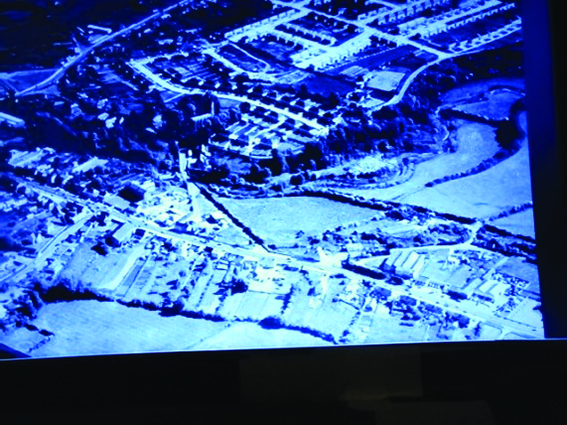
The population of Swords has continually altered down the years, from its beginning as a prosperous and important medieval settlement (1300 ) , to a bastion of the pale (1600), a colonised ascendancy town (1700) , and then finally to a somewhat rural backwater , (1900), a place you passed through going somewhere else !.The 1940 aerial picture above shows Swords still fixed within it’s 1200 ad medieval boundaries, it’s burgages ( long narrow medieval plots) still very prominent on the eastern side , and with little further development in evidence..In contrast ,the modern expansion of Swords shown in this 1970 aerial shot shows the building of St Columchille’s, an estate located directly on the hill behind the monastic site. Along with River Valley, these two particular housing estates began a process of population growth and resettlement that has made the Swords of today among the fastest growing places in Ireland. Can we successfully manage the change?
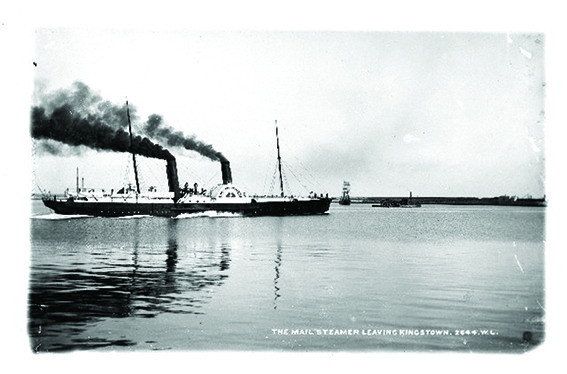
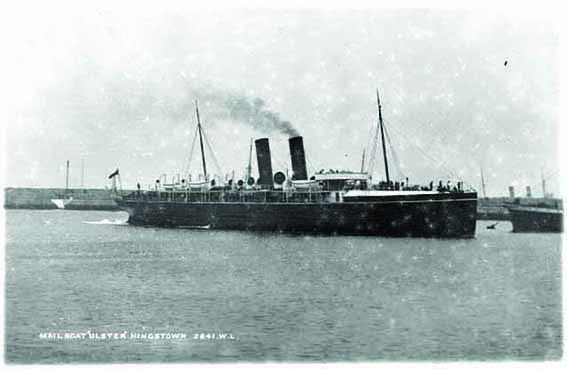
As an island Ireland has a continuous relationship with the sea; any settlers coming here had first to cross it, and it is this sea connection that has shaped our nation, bringing new ideas, technologies and different cultures to our shores. This same sea has not isolated us from international developments be it the spread of coastal trading in the Bronze Age, to the formation of our port cities by the Vikings, piracy in the plantation period, or the infamous triangular trade in the 18th centuary. Early mail services across the Irish Sea were set up in Tudor times. Queen Elizabeth 1 set up a weekly postal route from London to Holyhead and on to Ireland relying on couriers and sailing packet boats. These boats relied on speed because they faced great risks from storms and pirates. We also have to remember that even today 80% of the goods here on our shop shelves are imported and that 90% of that volume comes in by sea, so we are still very dependent on our surrounding seas. If you would like to learn more about this topic do come along to St Patricks CoI at 8pm on Wednesday 13th October where Brian Scott will be giving a presentation on behalf of the Donabate Historical Society.



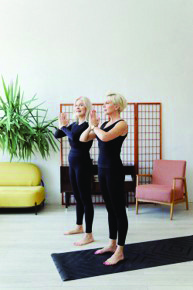
The changing seasons can influence many aspects of women’s health, including energy levels, menstrual cycles, sleep, mood, and overall wellbeing. While everyone’s experience is unique, Traditional Chinese Medicine (TCM) views the body as being closely connected to the natural rhythms of the environment and encourages adapting self-care practices throughout the year.
In TCM, each season is associated with different organs and qualities. Spring is considered a time of renewal and is linked with the Liver, which plays an important role in the smooth flow of Qi (energy). Some women may notice increased premenstrual symptoms, irritability, or headaches during this time. Gentle exercise, stretching, acupuncture, and eating plenty of fresh green vegetables may help support balance.
Summer is associated with the Heart and is considered a season of warmth and activity. Staying well hydrated, eating cooling foods such as cucumber, watermelon, leafy greens, and berries, and avoiding excessive heat can help maintain energy and comfort. Women who experience heavy menstrual bleeding should pay particular attention to hydration and seek medical advice if bleeding is unusually heavy or persistent.
As autumn arrives, the focus shifts towards the Lungs and preparing the body for cooler weather. Nourishing foods such as pears, pumpkin, oats, soups, and warming herbal teas may support overall wellbeing. It is also a good time to prioritise rest, maintain regular sleep habits, and strengthen the immune system.
Winter is linked with the Kidneys in TCM, which are considered the body’s foundation of vitality and reproductive health. Gentle movement, warm cooked meals, adequate sleep, and managing stress are encouraged during this quieter season. Many women find this an ideal time to restore energy and support hormonal balance through healthy lifestyle habits.
Acupuncture may help support women’s health concerns such as menstrual pain, menopausal symptoms, stress, and general wellbeing when provided by a qualified practitioner. Research suggests it may be beneficial for some women, although results vary, and treatment should be tailored to the individual.
Natural self-care, including a balanced diet, regular physical activity, stress management, and good sleep, remains the foundation of health throughout the year. Regular medical check-ups, cervical screening, breast awareness, and discussing any persistent or unusual symptoms with a healthcare professional are essential. Chinese medicine works best as a complementary approach alongside appropriate medical care, helping many women support their health in harmony with the changing seasons.
By Declan Glynn
After a noticeable absence from showrooms, the Nissan Micra is back – reborn as a fully-electric urban hatchback for a new generation. The Micra Electric takes things to a new level, combining the car’s long-standing reputation for practicality and affordability with intuitive technology to make it the smart choice for everyday drivers making the switch to electric driving.
Design-Conscious Appeal
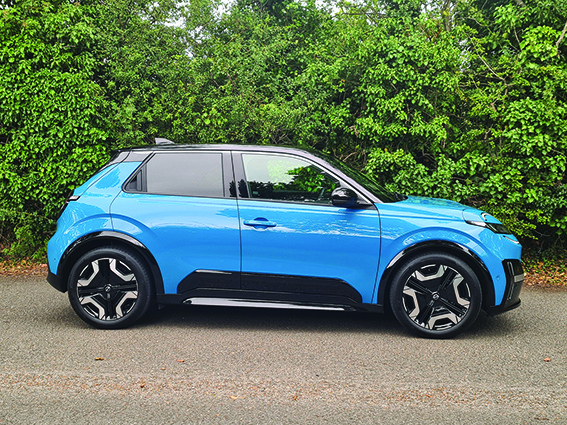
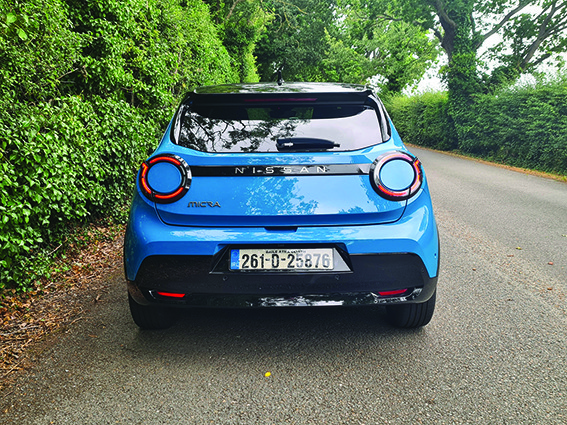
The new Micra’s subtle SUV-inspired proportions provide it with a robust stance and a modern-retro look. Featuring eye-catching LED headlamps within circular LED daytime running lights, an iconic rear lighting signature, and sporty 18-inch wheels, it is a design that successfully balances form and function.
Trim & Battery Options
There are three trim grades to choose from: Engage, Advance and Evolve. The entry-level Engage model has a 40kWh battery with a WLTP range of up to 317km on a combined driving cycle. Mid-spec Advance trim comes with the option of a 40kWh or 52kWh battery, while the top-spec Evolve model is only available with the 52kWh battery, which increases the achievable range to 416km. Both variants support DC fast charging up to 80kW and 110kW respectively, enabling a 15% to 80% charge to be completed in as little as 30 minutes. Alternatively, a 10% to 80% charge via an 11kW domestic wallbox charger can be achieved in as little as 3.45 hours. With NissanConnect powered by Google built-in occupants can enjoy services like Google Assistant, Google Maps, and Google Play.
Car on Review
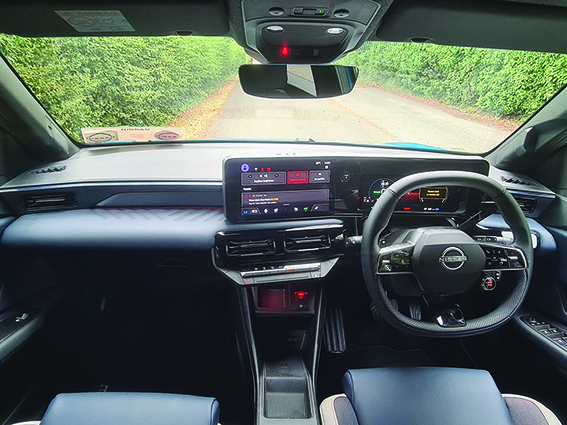
My review car was a Micra Electric (52kWh) in Evolve trim, and it looked terrific in its Authentic Blue metallic paintwork with a contrasting Mystery Black metallic roof. The cabin features a clean, uncluttered layout centred around a dual 10.1-inch screen setup with built-in Google services. The Micra’s slightly elevated driving position gives a clear, crossover-like view of the road ahead, and overall cabin comfort is excellent, with soft-touch finishes, padded fabrics, and distinctively patterned seat upholstery providing an upmarket look and feel. On the road, the new Micra is a genuinely enjoyable companion, and the driving experience can be summed up in three words: Nimble, Fun, and Refined. The electric motor is located on the front axle, and it produces 150hp (148bhp) and 245Nm of instant torque, resulting in a 0-100km/h sprint time of 8.0-seconds. The car feels responsive and agile at all times, and it feels planted and secure too, inspiring confidence whether navigating challenging urban streets, enjoying a spirited drive on country roads, or cruising on a motorway. One-pedal driving can be selected via paddles mounted behind the steering wheel, with multiple regenerative braking levels available, and this is perfectly suited to stop-start city driving.
Conclusion & Price
The all-new Nissan Micra Electric is highly-commendable in every way – from its striking exterior design to its refined driving manners, and everything in between. Pricing starts from just €25,995 (ex-delivery), with my test car specification priced from €32,995 (ex-delivery).
By Jack Shanley
For this month I decided to review the new ‘Pulp’ documentary. Pulp: What Do You Do for an Encore? Directed by Garth Jennings and narrated by the endlessly charming Jarvis Cocker, this film captures the legendary Britpop band on their triumphant 2025 tour while taking a wonderfully nostalgic look back at their long, strange journey.
At roughly 100 minutes, it strikes the perfect balance between a fiery concert film and a heartfelt history lesson. Rather than being a dry band bio, Cocker describes the movie as a bit like a jumble sale—and that’s what makes it so fun to watch.
The absolute highlight of the documentary is its goldmine of archive footage. Jennings dives deep into the history of ‘Pulp’ spanning over four decades, pulling back the curtain on Pulp long before they were famous. We get to see brilliant personal photos, quirky old TV appearances, and even a teenage Jarvis’s school exercise book where he mapped out his dream band’s strict dress code. There is even a peak at a wooden Dalek his grandfather built for him to climb inside. It’s a endearing, hilarious window into a group of eccentric Sheffield outsiders who slowly clawed their way to pop royalty.
Equally thrilling is the concert footage, recorded during their massive shows at London’s O2 Arena. Jarvis Cocker remains one of the greatest frontmen in rock history. Even with his signature “Vegas-meets-Sheffield” dance moves looking slightly creakier these days, his showmanship is completely magnetic. Backed by a full string section and a massive neon backdrop, the live performances feel enormous. Seeing tens of thousands of fans from different generations screaming along to classics like “Disco 2000” and “Babies” will give you instant goosebumps.
What makes the film really shine, though, is its emotional heart. Between the high-energy arena hits, there are deeply tender moments—including a stripped-back performance honoring the late bassist, Steve Mackey.
Easy to follow, visual, and wildly entertaining, Pulp: What Do You Do for an Encore? isn’t just for die-hard fans. It’s a joyful, witty celebration of growing older without ever losing your spark. Whether you want to relive the 90s or just watch a brilliant performer at the top of his game, this is a must-watch.
In all truth I’d recommend checking out ‘Pulp: What Do You Do for an Encore?’ and see what you think of it, I shall give it a score of Four stars. You can watch it on Mubi today. Director: Gareth Jennings – Rating: 12A – Genre: Music/Documentary – Run Time: 1h 30m- Language: English. For more film content, please follow @screen_.addicts on Instagram.
Thinking about a family mini break this October? Farnham Estate Cavan has great Autumnal offers; enjoy Woodland walks, delicious dining, spacious rooms, spa & the spectacular indoor/outdoor pool – we love it here.
Like a fright at Halloween? Farmaphobia is a fun (aka terrifying) experience. Perfect for horror fans!
Pillo Hotel Ashbourne; close to Emerald Park, Bounce & Beyond Ballyboughal and Dublin Zoo is a firm favourite of ours. Generously sized rooms, swimming pool, fab food and a sensory room, makes Pillo ideal for family breaks.
Pumpkins After Dark is back at Newbridge House & Farm and is a no frights family friendly experience. The Haunted Trail at Malahide Castle is another spooktacular, family friendly Halloween event.
Bracken Court Hotel Balbriggan has spacious family rooms, lovely atmosphere, yummy food. A 5-minute walk to the train station and then, only 30 mins into Dublin City. National Concert Hall, The National Wax Museum Plus, Dublinia and EPIC museum are excellent for Autumnal days out in Dublin. For family friendly dining, we love Shake Dog Diners. Their food is affordable, tasty and they have a great menu!
There are lots of great movies running atm and many cinemas, like Arc Cinemas, have special offers for families. Kids clubs on weekend mornings are especially good value.
If you are planning a Santa visit, it’s a good idea to book early as they tend to sell out fast. Here are some of our favourites for 2026…..
ElfTown Dublin at the RDS is an interactive, immersive experience, with two magical ways for families to experience the wonder of Christmas. Choose from the full 75-minute Elf Town Immersive Experience or the shorter 30 minute Santa’s Magical Visit.
Book here: https://elftowndublin.ie/ Elf Town Dublin
Airfield Estate Dundrum is stunning at Christmas, blending timeless traditions and a fun-filled visit with Santa. Explore the breathtaking grounds, visit the Jersey cows, playground, café and garden centre. The elves can’t wait to welcome you! Book at: https://www.airfield.ie/events/the-magic-of-christmas-santa-airfield/
Christmas Island is a stunning experience. Take a journey on Sata’s houseboat to meet Santa, the Elves & Mrs. Claus. Enjoy Indoor mini golf, tubing, crafts, face painting, cinema & lots more! You can even book in overnight! Book here: www.ChristmasIsland.ie
We are giving away Christmas experiences family passes at
www.mams.ie
https://www.facebook.com/mams.ireland/
https://www.instagram.com/mams.ie
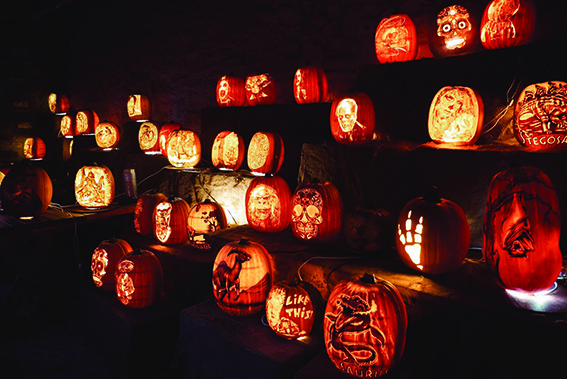
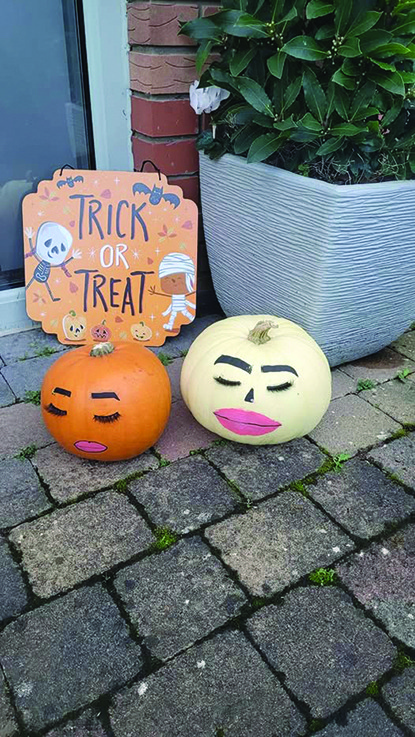



With the start of October, means Halloween is fast approaching and that can be difficult for our furry companions with the trick or treaters and fireworks outside. Here are some tips from Irish Guide Dogs for the Blind to keep your dog safe and comfortable on the lead up to Halloween:
• Create a safe den by setting up a comfortable hideaway in a quiet, inner living room with their favourite bedding and toys.
• Block out sights and sounds by closing your curtains to hide flashing lights and turning up the TV or radio to muffle loud bangs.
• Remain matter of fact and act normally if your dog seems scared, as they can feed off your energy.
• Walk your dog before dark and give them an early toilet break before trick or treaters and fireworks start.
• Make sure to hide human especially chocolate, raisins and sweet wrappers as these can be toxic to dogs.
• Secure your decorations by keeping lit pumpkins, candles and fake cobwebs away from sniffing noses and wagging tails.
We also have a number of upcoming events such as the Skerries Farmer Market on October 17th from 10am – 2pm, come along and say hello. On the same date, there is also a gala dinner in honour of 50 years of Irish Guide Dogs for the Blind in Clontarf Castle. You can find out more information on this from our social media pages.
On Friday 6th and Saturday November 7th our Branch will be in SuperValu, Balbriggan from 10am to 6pm with our merchandise stand which will include raffle tickets to win a car, Christmas cards and cuddly Guide Dog teddys. If you miss us then, you can also find us in Millfield Shopping Centre, Balbriggan on both Friday and Saturday the 20th and 21st November from 10am to 6pm.
Make sure you are following our social medias to stay up to date with events. We wish you a happy and safe Halloween from the Balbriggan/North County Dublin branch of Guide Dogs.
You can contact Balbriggan/North County Dublin Branch of Irish Guide Dogs by phone/text 0876489479, email: GuideDogsBalbriggan@gmail.com or find us on Facebook at Balbriggan Branch of Guide Dogs.
By Mike Power
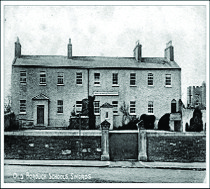
This famous Swords building opened its controversial doors on the 18th February 1809, a couple called Joseph and Anne Carmichael being the first principals. The name chosen ‘Old Borough’ recalls the ancient autonomous status of Swords as a ‘free, self-governing’ town (Borough).) Francis Johnson (1760-1829) was the architect.
The money to build this school came from the financial bonanza accruing to Swords at the Act of Union (1801) in compensation for the loss of its two MP’s (£1,500). The school was specifically set up both to educate the poor of the village, and to prepare them to become productive members of the ascendancy-controlled Swords of that day. As well as the 3 Rs, students were also (frugally) fed, learned practical skills - needlework (girls) and apprenticeships (boys). The school also provided coal and free medical care to regular attendees, a great incentive to attend for the’ poorer classes. There was also intense competition within the school for both academic and good conduct prizes, usually being money.
The ethos of this school was overwhelmingly Protestant, Irish never having being taught and the strict Protestant bible used for religious instruction. As time went on, however, more and more Catholic families began withdrawing their children (1830s -1853) from the school in protest at the school’s Protestant character. This situation was only finally resolved in 1855 when a new Catholic school (Seatown Rd.) was opened. It took until 1887 for the allotted funds to be equitably shared between both religious communities in Swords. An emblematic tale of Sword’s past...?
Email Mike l:mp9211198@gmail.com.
By Declan Glynn
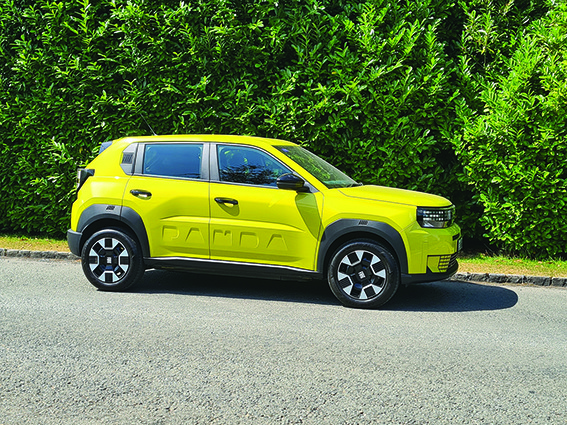
The new Fiat Grande Panda marks the triumphant return of one of Europe’s most beloved nameplates, and it is reimagined for the electric age. Blending nostalgic design cues with modern EV technology, Fiat’s latest all-rounder aims to redefine urban mobility with its distinctive personality, practicality, charm and surprising affordability.
The Grande Panda’s boxy, upright silhouette is reminiscent of the original Fiat Panda from the 1980s, and it provides the car with a confident, road-ready presence. Its squared-off, rugged design is enhanced by distinctive LED Pixel headlights, 3D vertical taillights, a 3D “Panda” signature on the doors, the FIAT name embossed onto the tailgate, sturdy roof rails, and a sporty rear spoiler – some of which are trim-dependent. The Grande Panda’s relatively compact footprint makes it super-easy to navigate along crowded city streets, while manoeuvring in and out of parking spaces can be done with the greatest of ease. Compared to the original Fiat Panda, the new iteration is 611mm longer, 557mm wider, and 131mm taller – providing justification for the name ‘Grande Panda’.
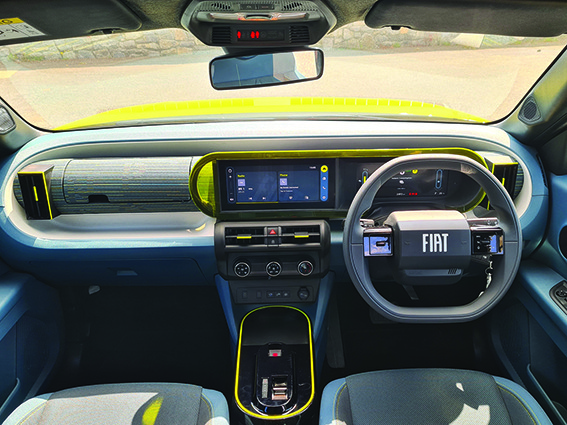
Recycled materials used throughout the cabin include striking bamboo-trimmed dashboard panels that add warmth and character. The dashboard features a rectangular element with rounded sides, and the oval theme is repeated throughout the cabin.
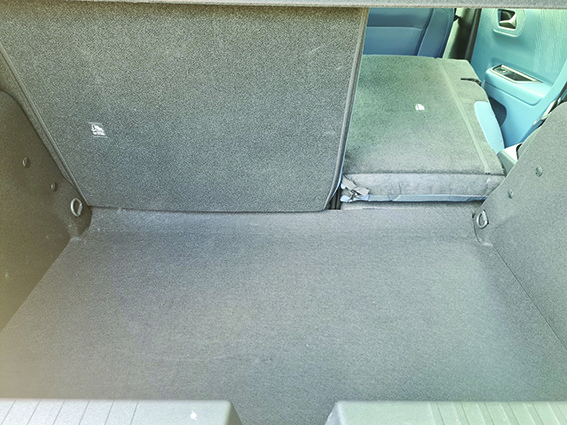
The digital cockpit pairs a 10” driver information display with a 10.25” infotainment touchscreen, delivering a modern, connected feel, while physical controls have been retained for key functions. Despite measuring just under 4 metres in length, front and rear passengers benefit from surprisingly generous legroom, while the high roofline means headroom is rarely an issue, even for taller occupants. The Grande Panda Electric has a boot capacity of 361-litres, expanding to 1,315-litres with the rear seats folded down.
The Grande Panda Electric is available in three trim levels: Pop, Icon and La Prima. It is built on the Stellantis Group’s Smart Car platform and it benefits from extensive development investment, prioritising real-world usability and efficiency. The lithium-ion phosphate battery provides a range of up to 320km on a WLTP combined driving cycle. Uniquely, the Grande Panda features an integrated retractable charging cable (Icon and La Prima trim), which is neatly stowed behind the FIAT logo on the front fascia. With a 100kW DC charging capacity, the car can complete a 10% to 80% charge in approximately 32 minutes.
My Grande Panda Electric ‘Icon’ review car was finished in distinctive Limone Yellow metallic paint. The 44kWh battery sends power to a front-mounted electric motor which produces 113bhp and 120Nm of instant torque. The power on offer is brisk enough for confident urban acceleration and comfortable motorway merging too. The supple suspension absorbs road imperfections with ease, and the general feeling within the car is one of calm serenity. The car features a mild-to-moderate regenerative braking system that recovers energy upon deceleration, and it transitions seamlessly into the mechanical brakes without a grabby or unexpected pedal response.
The hugely-impressive Fiat Grande Panda Electric is priced from just €22,995 (including EV subsidies).


Injuries, whether minor or severe, can disrupt daily life and affect overall well-being, often causing pain and discomfort. Whether it’s a sports injury, a sprained ankle or a more serious injury sustained in an accident, the effects can extend beyond physical symptoms, influencing mental and emotional health.
In the pursuit of holistic wellness, many people combine natural remedies with conventional treatments. Herbal remedies such as turmeric and ginger are known for their anti-inflammatory properties, helping to ease pain and support recovery. Gentle exercise and movement can also help maintain flexibility and prevent further injury.
Foremost in the treatment of injuries are homeopathic medicines. These remedies can be effective in treating both minor and major injuries. They help relieve pain, reduce swelling and can shorten healing time.
Homeopathic remedies have long been used in the treatment of injuries. Many well-known sports people have used homeopathy successfully, including David Beckham, Usain Bolt, Annabel Croft, James Ellington, Linford Christie, Jayne Torvill, Will Greenwood, Boris Becker and Martina Navratilova, as well as the French football and New Zealand rugby union teams.
Spanish golfer Jose Maria Olazábal also used homeopathy alongside treatment for rheumatoid arthritis affecting multiple joints. Here are just a couple of quotes:
“I am a fan of Arnica and recommend all the athletes in my Street Athletics programme have it in their kit bag to help with sprains and strains.” – Linford Christie, 1992 Olympic 100m Champion.
“In our practice of sports medicine, we have to be quickly effective... homeopathy is part of my therapeutic arsenal. I know where it can be used and how.” – Dr Philippe Lageyre, French sports doctor who has worked with various rugby teams.
Top Homeopathic Remedies for Injuries
Arnica Montana - A first-aid essential for injuries caused by falls, blows, impacts or overexertion. It is commonly used to reduce pain, swelling and bruising.
Bellis Perennis – Reaches the areas that Arnica can’t! Indicated for injuries to deep tissues. This also includes injuries after surgery and childbirth.
Rhus Toxicodendron - Indicated for strains and sprains that are worse on first movement but improve with continued motion. It is often used for muscle strains, ligament injuries and joint stiffness after overexertion.
Ruta Graveolens - Particularly beneficial for injuries affecting tendons, ligaments and the periosteum (the covering of bones). It is commonly used for wrist, ankle and knee sprains and supports the healing of connective tissues.
Hypericum - Often called the “Arnica of the nerves” because of its affinity for injuries involving nerve-rich areas such as the fingers, toes and spine.
Symphytum - Traditionally used to support the healing of fractures and other bone injuries by promoting bone repair and relieving pain.
Calendula - Widely used for open wounds where the skin is broken.
Cantharis – Very effective for the treatment of burns and scalds.
It is important to stress that treatment for major injuries should only be done under the supervision of a qualified homeopath. Michael Farrelly is a homeopath in Donabate with over twenty years’ experience in treating people with injuries as well as many other ailments. Michael can be contacted on 0861596119 or at farrellym@hotmail.com.