
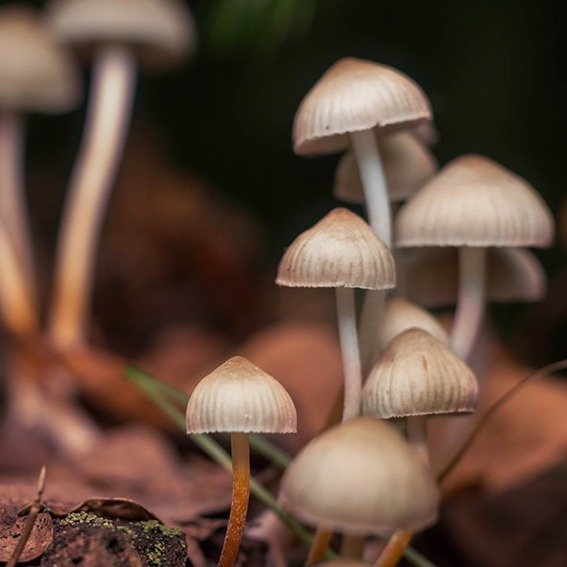
This month we will discuss the benefits and uses of medicinal mushrooms. I was fortunate to train under Martin Powell, author of Medicinal Mushrooms: A Clinical Guide, and here is a brief overview of why medicinal mushrooms can be beneficial when prescribed correctly.
Medicinal mushrooms are certain fungi used as food supplements because they may support health in various ways. They have been used for centuries in traditional medicine and are now growing in popularity with the general public. These mushrooms are not the same as common button mushrooms used in cooking, although some edible mushrooms also provide beneficial nutrients.
Medicinal mushrooms are typically taken as teas, powders, capsules, or extracts. One of the main reasons people use medicinal mushrooms is their possible effect on the immune system. They contain compounds such as Beta glucans, selenium, vitamin D, and vitamin B6, which may help the body defend itself and reduce cell damage. Some species are also studied for their antioxidant and anti inflammatory effects. Medicinal mushrooms can also support general wellness. They may be included in daily routines to help with energy, digestion, or stress support, depending on the type.
Reishi, Turkey tail, Chaga, and Shiitake are among the most well known varieties. Turkey tail is often linked with immune support, while Chaga is commonly discussed for its antioxidant content. These products are usually sold as supplements rather than as medicines, which means they may support health but are not a cure for serious illness. It is important to choose products from trusted brands and to avoid taking medicinal mushrooms without guidance from a qualified health professional.
Talk to a doctor before using them, especially if you are pregnant, taking medication, or have a long term health condition, since they can cause unwanted side effects or allergies. Professional advice helps ensure they are safe and appropriate for your individual health needs. In simple terms, medicinal mushrooms are a natural option some people use to support immunity, nutrition, and overall wellbeing when used carefully and as part of a healthy lifestyle. The following are generally discussed as functional mushrooms—meaning they are used for wellness support rather than as everyday food.
In Wellness Susan
susangrahamcoaching@gmail.com
Introduction
Homeopathy is a complementary system of medicine that uses natural substances to stimulate the body’s self-healing. It was developed over 200 years ago by Dr. Samuel Hahnemann. The World Health Organization (WHO) recognises homeopathy as one of the most widely used therapeutic systems worldwide, with significant use across the USA, South America, Asia, and Europe. The WHO includes homeopathy within its broader approach to traditional medicine and notes its role in expanding healthcare options for diverse populations. It also emphasises that homeopathy can be used safely at all ages when prescribed by a qualified practitioner.
Homeopathic remedies are tailored to each individual. Practitioners take a holistic approach, treating the person rather than just the symptoms, with the aim of addressing the root cause of illness. Homeopathy is used for a wide range of conditions, including fevers, colds and flu, digestive issues, allergies, minor injuries, skin conditions, asthma, pain, joint disorders, migraines, urinary tract infections, insomnia, sinusitis, infertility, cancer care, mental well-being, and developmental disorders.
In this article, I’ll focus on a timely topic: exam and study support. Pre-exam nerves can be overwhelming, while long study hours often lead to headaches, fatigue, and insomnia. Feeling nervous before exams is normal, but for some, anxiety can take over. Homeopathy offers a natural way to manage exam stress without causing drowsiness or side effects.
Below are six remedies for symptoms linked to exam stress and overwork. The most suitable option is always the one that best matches the student’s individual symptoms.
Aconite
Aconite is used for sudden, intense fear, such as anxiety attacks before an exam. Students are restless and panicky and may pace up and down, expecting the worst outcome. Aconite will help settle their nerves and allow them to sleep better.
Argentum Nitricum
Argentum Nitricum is suited for overthinking and performance anxiety. The person is typically nervous and hurried and may experience diarrhoea or digestive issues from stress. They often crave sweet things, which can further upset their stomach.
Gelsemium
This is a well-known remedy for exam nerves. It helps when the person feels overwhelmed and “paralysed” by anxiety, viewing every exam as a huge ordeal. They may feel weak, dizzy and shaky and have difficulty concentrating and may experience bouts of diarrhoea before exams.
Kali Phos
Kali Phos, is a highly regarded homeopathic remedy for exam preparation and stress relief. It is particularly beneficial for students facing high-pressure situations, as it helps to restore energy, improve concentration, and balance emotions. It is a wonderful remedy for nervous exhaustion, when there is mental or physical weakness from overstudying.
Aethusa
The person may feel incapable, as if they cannot succeed. They can get to the point where they feel they simply cannot learn any more, making it hard to think clearly or concentrate.
Anacardium
For students who feel mentally blocked or overwhelmed, with low confidence in their abilities.
If you or a family member experiences exam-related stress or study-related symptoms, consider scheduling an appointment with a homeopath for personalised support.
Michael Farrelly, the author, is a homeopath with over twenty years of experience treating a wide range of ailments. He is based in Donabate, County Dublin, and can be contacted at (086) 159 6119 or via email at farrellym@hotmail.com.
Female fertility in Chinese Medicine is seen as part of the whole person – body, mind and spirit working together to create the right conditions for conception. Instead of focusing only on ovaries, hormones and test results, it looks at overall balance and the smooth flow of energy in the body. Key Chinese Medicine ideas - Qi (vital energy) and Blood need to flow smoothly to the uterus and ovaries for regular cycles and healthy ovulation. If they are weak or blocked, periods, ovulation and fertility can be affected. - Yin and Yang describe cooling/nourishing and warming/active forces; both must be in balance for ovulation, implantation and a healthy womb lining.
The Kidney system is seen as the root of fertility, linked to hormones, egg quality and the “Jing” or essence you are born with. As you age or become very stressed or depleted, this essence can weaken, so treatment aims to protect and strengthen it. Holistic treatment methods - Acupuncture uses very fine needles at specific points to improve blood flow to the uterus and ovaries, regulate cycles and calm the nervous system, which may support implantation and reduce stress. - Chinese herbal medicine is prescribed according to your individual pattern (for example, Blood deficiency, Kidney weakness or Qi stagnation) and may help regulate ovulation, improve cervical mucus and support a healthy uterine lining. - Food is treated as medicine: warm, cooked meals, good-quality protein and avoiding excess cold and raw foods are often advised to “nourish Blood” and support the digestive system that produces Qi. Lifestyle and emotional balance.
Restful sleep, gentle regular exercise and regular meals are encouraged to build energy and support hormonal balance. - Managing emotions is seen as vital, because worry, grief and frustration can disrupt the Liver system, which in turn can disturb periods and ovulation. - Many practitioners suggest preparing the body for at least three months before trying to conceive, allowing time to regulate cycles and strengthen overall health. Working alongside Western care - Chinese Medicine can be used on its own or alongside fertility treatments such as IVF or IUI to improve comfort, reduce stress and support cycle regulation. - From a holistic perspective, the goal is not just pregnancy, but helping you feel more balanced, energised and emotionally supported throughout your fertility journey.
TCM dietary guidelines for fertility support Core principles - Favour warm, cooked foods (soups, stews, porridges, stir-fries) to support digestion and “Spleen Qi,” which is seen as key for making Blood and energy for the reproductive system. - Eat regularly and avoid skipping meals so your body has steady fuel to nourish hormones and cycles. - Aim for mostly whole, unprocessed foods – fresh vegetables, fruits, whole grains, good-quality proteins and healthy fats.
Foods to emphasise - Blood- and Qi-nourishing foods: lean red meat, eggs, dark leafy greens, beetroot, beans, lentils and whole grains (oats, brown rice, quinoa) to help build Blood and energy for the uterus and ovaries. - Kidney- and Jing-supporting foods: black beans, walnuts, sesame seeds, bone broth, small oily fish, shellfish and seaweed to support the Kidney system linked to fertility and egg quality. - Warm, grounding foods: root vegetables (carrots, sweet potato, squash) lightly spiced with ginger, cinnamon or garlic are thought to warm the womb and improve circulation. - Plenty of fibre from vegetables, fruits, beans and whole grains to help clear excess hormones and support a healthy weight.
Foods and habits to limit - Excess cold and raw foods (large salads, iced drinks, cold smoothies), which are believed to introduce “cold” to the uterus and weaken digestion. - Very greasy, fried, heavily processed foods and high sugar intake, which can create “dampness” and may affect hormones and weight. - Large predatory fish high in mercury (such as frequent tuna or swordfish), due to possible negative effects on reproductive health. - Too much caffeine and alcohol, which may deplete Yin and Blood and increase internal heat or stress for some people. Lastly practical tips - Build meals around a warm base: soup, congee, stew or a stir-fry with vegetables and protein. - Include healthy fats (olive oil, avocado, nuts, seeds) at most meals to support hormones. - Eat mindfully: chew well, sit down to eat and avoid multitasking, as relaxed digestion is believed to help your body absorb more nourishment for fertility.
Next Issue: How Chinese Medicine can help Male Fertility issues
In Wellness Susan
susangrahamcoaching@gmail.com
Havening I have been asked many times in my professional field what is Havening? So this month we are going to have a brief look at what Havening is and who can benefit from this wonderful treatment. Havening is a gentle, touch-based psycho-sensory technique used to help people reduce emotional distress and build resilience. It is often used alongside coaching or therapy rather than as a standalone medical treatment.
The following are the principal benefits of Havening.
It helps the nervous system by the following ways
A. Shifts the brain out of threat mode: The repetitive, gentle touch appears to stimulate slow delta brain waves and calming Neuro-chemicals (chemicals in the brain) such as serotonin and oxytocin, which support a sense of safety and reduce the response we call fight or flight or panic,
B. Supports the nervous system by helping to “rewire”: By pairing a previously distressing memory with a deeply relaxed state, Havening is proposed to reduce synaptic strength in the circuits that kept that memory highly charged, so triggers lose their impact over time.
I’ve been asked what are the everyday uses of Havening
A. Emotional difficulties: Practitioners use Havening with issues such as phobias, trauma memories, grief, humiliation experiences, and persistent anxiety or suffers of panic attacks.
B. Performance and wellbeing: It can also be used for confidence, performance blocks, unwanted cravings, and general emotional regulation, helping clients feel more resourceful day to day.
The biggest benefit from a practitioner’s perspective would be
A. Non invasive and client centred: The touch is gentle, the client remains fully conscious and is in complete control, and the technique can be adapted or slowed easily, which can support a strong sense of safety and empowerment.
B. While teaching this in my clinics over many years it is an incredibly easy technique to be taught as a self-care treatment. Clients have learned self Havening techniques to use between sessions, giving them a concrete tool to regulate stress and support ongoing integration of therapeutic work.
C. All that is required from the client is for them to share just a bit about their story as to why they would require this treatment, that way it can become a more tailored fitted session and can be applied for the individual. In wellness Susan If there are any specific topics, diseases or disorders that you would like me to cover in further issues please feel free to email me at. info@susangrahamcoaching.com

Stress and insomnia often go hand in hand, forming a cycle that can be difficult to break. When the mind is overactive and the body tense, restful sleep becomes elusive. Over time, poor sleep further heightens stress, leading to fatigue, irritability, and lowered resilience.
Chinese medicine and acupuncture offer a holistic path toward restoring peace, balance, and rest naturally. In Traditional Chinese Medicine (TCM), stress and insomnia are interpreted as signs that the body’s energy, or Qi, is out of harmony. The Heart, which houses the Shen or spirit, plays a central role in sleep and emotional health. When the Heart is disturbed by excessive worry or emotional agitation, the Shen cannot settle, causing the mind to remain restless at night.
The Liver, too, is vital because it regulates the smooth flow of Qi throughout the body. Stress or frustration may cause Liver Qi to stagnate, showing up as tension, irritability, or disrupted sleep. Acupuncture helps restore balance by gently guiding the body back to its natural rhythms. Very fine needles are inserted at specific points to release blocked energy and calm the nervous system. Common points such as Shen-men, Yin Tang, and Anmian are often chosen to ease anxiety and encourage restful sleep. The experience of acupuncture itself can be soothing, as it lowers stress hormones, slows the heart rate, and promotes a deep state of relaxation. With consistent treatment, many people find that their mood steadies and their sleep gradually becomes deeper and more refreshing. Herbal medicine often complements acupuncture. Chinese herbal formulas are carefully tailored to each person’s unique pattern of imbalance.
For those whose stress causes restlessness and irritability, herbs that nourish Yin and calm the Heart, such as Suan Zao Ren, may be included under a qualified practitioners guidance . When overthinking and fatigue are the main issues, herbs that strengthen the Spleen and replenish Qi help restore emotional and physical stability. Over time, herbal therapy supports the body’s ability to maintain balance naturally, reducing both tension and sleeplessness. Lifestyle adjustments also play a vital role. Chinese medicine encourages gentle daily routines that promote calmness and even energy flow. Practices such as qi gong, tai chi, or mindful breathing can help release stress and centre the mind.
Eating warm, nourishing foods, avoiding caffeine late in the evening, alcohol, heavy or spicy meals late at night, and creating a peaceful bedtime environment all support healthy sleep patterns. The true goal of acupuncture and Chinese medicine is harmony—where body, mind, and spirit move together in balance. When stress is eased and Qi flows freely, sleep returns not as a struggle but as a natural rhythm of rest and renewal.

Ingredients:
(Serves 2 person)
x2 Chicken Fillets or Thighs
Handful of Cherry Tomatoes
x2 Red Onions
x1 Red Pepper
x1 Yellow Pepper
For the Marinade:
3 Tablespoons of Freshly Squeezed Lime Juice
1 Tablespoon of Olive oil
1 Teaspoon of Black Pepper
Handful of Chopped Thyme and Rosemary
Method:
Prepare the marinade first by combining the ingredients as above and mixing well together. Place this marinade in a sealed plastic bag with the chicken fillets/thighs to marinate for at least 2 hours in the fridge. For better results leave chicken to marinade for longer.
Remove chicken in marinade from fridge. Preheat the oven at 200’c for 10 minutes.
While the oven is preheating, prepare vegetables by chopping the x2 bell peppers and lightly coating a cast iron skillet (as in image) or oven dish in olive oil.
Place chicken fillets/thighs, cherry tomatoes, red onions and bell peppers in the iron skillet or oven dish. Add more thyme, rosemary and black pepper over the vegetables and chicken.
Place into the hot oven for 35-40 minutes at 180’c or until the chicken is cooked thoroughly and all the vegetables are roasted with a slight oven char for extra flavour.Tip: to add a burst of flavour to this dish, add a tablespoon of Balsamic vinegar after removing from the oven.
Serving Suggestion: Freshly steamed new potatoes or a scrumptious oven baked potato served straight from its foil would make delicious sides to accompany this wonderfully flavoured summer dish.
Please follow ‘Biabites’ on Facebook for other food ideas especially in the ‘Fun food’ and ‘Recipes’ albums.Please follow @BiaBites on twitter.For nutrition talks/workshops at events or in schools/workplaces/community groups = please email: arthursniamh@gmail.com Niamh Arthurs BSc, Msc Registered Dietitian and Researcher
I used carrot batons for the train track, peppers as the carriages and cucumber as the train wheels held in by cocktail sticks (be careful of children with cocktail sticks).Fill the carriages with hummus, salsa, guacamole or other vegetables or fruit!
Use star or other shaped cookie cutters to make shapes with fruit and/or vegetables. I used various types of melon, colourful peppers and pineapple in this image.
The sleeping baby inside is an orange with a soother and eyes drawn on using marker!
Please follow ‘Biabites’ on Facebook for other food ideas especially in the ‘Fun food’ and ‘Recipes’ albums.Please follow@BiaBites on twitter. For nutrition talks/workshops at events or in schools/workplaces/community groups=please email arthursniamh@gmail.com Niamh Arthurs BSc, Msc .Registered Dietitian and Researcher

May is officially the first month of the Summer season and hopefully we will have lots of nice sunny weather which ‘May’ entice us to eat more salads! This recipe is quick to throw together but has lots of variety with crunchy and juicy textures and flavours!! Really handy and can help avoid food waste too, especially if you have left over cooked chicken or salad ingredients that need to be used!!!
Ingredients:
(Serves 1 person)
1 chicken fillet
1 handful (approx. x10) grapes (green or red)
50g pumpkin seeds and sunflower seeds
6 cherry tomatoes
200g spinach and other leaves (Fresh Basil leaves add a beautiful flavour of Summer!)
60g Feta cheese
Feel free to add any other ingredients of your liking such as red onion, scallion, peppers, diced beetroot, shredded carrot, cucumber, slices of apple, Goat’s cheese, couscous, walnuts or pecans.
Tip: For more flavour, toast the seeds by heating them on a dry pan over a medium heat for 1-2minutes until they turn golden brown and produce a rich, toasty fragrance. DON’T take your eye off them though as they burn quite easily and toss them around on the pan to ensure even toasting!
Optional Balsamic Honey Dressing (alternatively use a dressing of your liking)
(Makes 4 servings. Store any leftover dressing in an air-tight container in the fridge and use within 3 weeks)
3 tablespoonsBalsamic vinega
1 tablespoon honey
2 teaspoons Dijon mustard
5 tablespoons olive oil
Pinch of black pepper.
To make the dressing, place all ingredients into a blender and blend until smooth (approx. 30 seconds). Alternatively whisk all the ingredients together in a bowl until they are well combined. (Although using a blender will result in a smoother consistency). Stir well before serving to ensure the ingredients are combined.
Method:
(1.)Grill the chicken fillet with spices or flavouring of your liking. I like Cajun spices or paprika.(2.) While keeping an eye on the grill, prepare the salad ingredients by washing and chopping/slicing. (3.) Place all of the salad ingredients into a large mixing bowl (spinach, sliced grapes, tomatoes, feta cheese and seeds). When cooked thoroughly, slice the grilled chicken and add into this mixing bowl. Then add a dressing of your choice and toss all the ingredients around in the mixing bowl. Ensure the dressing coats all of the ingredients evenly.(4.) Assemble the salad on your serving dish. Bain sult as (enjoy)!!
Please follow ‘Biabites’ on Facebook for other food ideas especially in the ‘Fun food’ and ‘Recipes’ albums.Please follow @BiaBites on twitter.For nutrition talks/workshops at events or in schools/workplaces/community groups = please email: arthursniamh@gmail.com Niamh Arthurs BSc, Msc Registered Dietitian and Researcher
Going completely indulgent for this one but enjoying food is one of the many great pleasures in life and one of the few things we still have to enjoy during the current pandemic lockdown.Also this might be a scrumptious recipe to try over the Easter and especially f there is lots of chocolate around!! No baking required and although there may seem like quite a few steps, it’s just because there are a few different layers. This means all the more mixing bowls and spoons to lick clean after!!! Have fun, happy making and sharing!! Beannachtaí na Cásca oraibh.
Please follow ‘Biabites’ on Facebook for other food ideas especially in the ‘Fun food’ and ‘Recipes’ albums.Please follow @BiaBites on twitter.For nutrition talks/workshops at events or in schools/workplaces/community groups= please email:niamh@biabites.netNiamh Arthurs BSc, Msc Registered Dietitian and Researcher.
Ingredients:
600g dark chocolate digestive biscuits
300g butter
75g peanuts
100g dark chocolate
For the caramel:
75g caster sugar
120g butter
400g (approx-397g is fine!!) tin sweetened condensed milk
1 tablespoon golden syrup
{Alternatively for convenience, use a 400g tin (OR 397g as available in shops) of caramel.}
Method:
Grease or pre-line a non-stick springform based tin.To make the biscuit base: place the biscuits in a strong bag that can be tied and can withstand the force of a rolling pin!
(I use an empty breakfast cereal bag). Bash the biscuits using a rolling pin or other utensils until they form fine crumbs.Alternatively you could blitz the biscuits in a food processor/blender.Melt the butter in a saucepan. Take off the heat and stir in the biscuit crumbs until well mixed.Tip the biscuit mixture into the tin and press down firmly with the back of a spoon to make a smooth and even surface.Place in the fridge to chill while making the caramel.To make the caramel: gently melt the sugar, butter, condensed milk and golden syrup in a saucepan.Then increase the heat until just below the boil and stir vigorously using a whisk for approximately 15 minutes as the sauce changes colour from a lighter to a darker brown and thickens. If clumping starts to occur, remove from the heat and whisk vigorously to combine again. Allow the caramel to cool slightly as it will thicken further as it cools. Then pour the caramel over the biscuit base. Place in the refrigerator to cool fully.(If using a tin of caramel instead, then skip step 5 and 6 and just pour the already made caramel over the biscuit base and place in the refrigerator to harden. Finely chop the peanuts. Sprinkle on top of the caramel. Melt the chocolate and pour on top of the peanuts (ensure the caramel has cooled fully), making a creative design! I did a zig-zag drizzle as in the image! White chocolate could also be melted and used to decorate it! Store in an airtight container.
Please follow ‘Biabites’ on Facebook for other food ideas especially in the ‘Fun food’ and ‘Recipes’ albums. Please follow @BiaBites on twitter. For nutrition talks/workshops at events or in schools/workplaces/community groups= please email: niamh@biabites.net Niamh Arthurs BSc, Msc Registered Dietitian and Researcher.