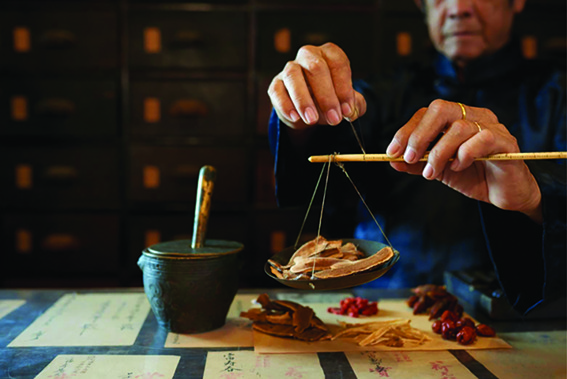
For couples trying to conceive, male fertility plays an equally important role as female fertility, yet it is often overlooked. Traditional Chinese Medicine (TCM) has addressed male reproductive health for thousands of years, and modern research is beginning to support what practitioners have long observed: Chinese medicine may offer meaningful support for men experiencing fertility challenges. TCM views male fertility as a reflection of overall health and energy balance. It emphasises “Kidney essence” – your body’s core life force that supports sperm production, stamina, and reproduction. When this essence, or energies such as Qi (vital energy) and Yin–Yang (cooling–warming balance), become imbalanced, it may contribute to low sperm count, reduced movement, or abnormal sperm shapes.
Acupuncture benefits
Very fine needles are placed at specific points, often around the lower back or abdomen, to help improve blood flow, reduce stress, and support hormone balance. Gentle warming with moxa (a burning herbal preparation held near the skin) can be used when additional warmth is needed. A short course of around 6–10 sessions is often used to support sperm quality, particularly where stress is thought to be a contributing factor. Vitamin support for wellbeing General wellbeing supplements can complement TCM by nourishing the body. Vitamin C (from citrus fruits or supplements) acts as an antioxidant and helps protect sperm from damage. Vitamin E (found in nuts or supplements) supports sperm membrane health. Zinc (in foods such as oysters and seeds) is important for testosterone and semen production, while folate (in leafy greens) supports healthy DNA. A daily multivitamin that includes these nutrients may help support energy and protect against oxidative stress. Always discuss supplements with your doctor, especially if you are on medication.
Hypnosis
Hypnosis uses guided relaxation and focused attention to help reduce stress and address subconscious blocks that may affect fertility. Sessions often include deep breathing and positive suggestions to support blood flow to the reproductive organs, reduce performance anxiety, and build confidence around conception. Listening to a 15–20 minute audio recording regularly can support a calmer mind and more positive outlook. Some men also report better emotional balance and improved communication with their partner when combining hypnosis with TCM.
Daily tips
Choose warm, cooked foods such as ginger, walnuts, and lamb. Limit very cold drinks and frequent raw salads, which in TCM are thought to weaken digestive energy. Reduce alcohol and avoid smoking. Practise gentle movement such as Qi Gong or walking to relieve stress. Prioritise regular, good-quality sleep to support recovery and hormone balance. TCM aims to address underlying imbalances rather than just symptoms, which is why many people use it as part of a longer-term approach to reproductive health and general wellness.
Male Fertility A complementary approach
Chinese medicine can work alongside conventional fertility treatments such as IVF or IUI, and many people use it as a complementary therapy. While it is not a guaranteed solution, it may offer a natural, generally low risk way to support male reproductive health and improve the overall chances of conception. Always consult a qualified TCM practitioner and also speak with your doctor or fertility specialist before starting any new treatment.
In Wellness Susan
susangrahamcoaching@gmail.com